Commercial Waste in Soho for businesses that need reliable removal and clear handling options

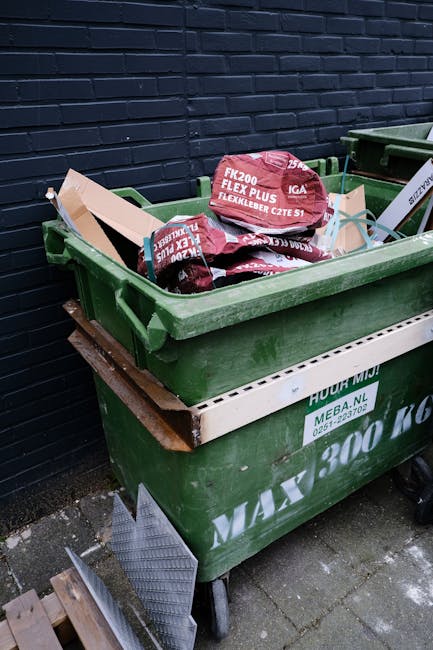
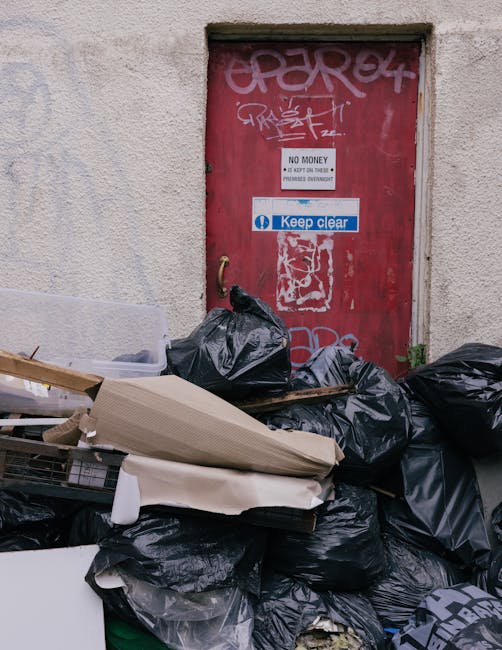
Commercial waste in Soho needs a practical service that can work around busy premises, varied business types and the volume created by day-to-day operations. We collect and remove business waste with a focus on straightforward disposal, sensible sorting and clear communication about what can be taken. Whether you are dealing with regular office rubbish, packaging, mixed commercial rubbish or a one-off clear-out, the aim is to keep the process simple and the premises easier to manage.
Soho businesses often work with limited storage space and tight access, so a good waste service has to be organised as well as responsive. Our approach is to match the collection to the material, the access and the schedule you can support. That can include straightforward uplift of bagged waste, the removal of larger items, or the handling of separated materials that need different routes. Tell us what needs clearing and when it needs doing, and we can shape the work around the site.
For an accurate quotation, it helps to share the type of waste, roughly how much there is and any access details that may affect loading. If there are mixed materials, bulky items or anything that needs special handling, mentioning that early keeps the process efficient. A clear description of the job helps us quote on the right basis and avoids unnecessary back-and-forth later on. Use the contact route that suits you best and request a quotation when you are ready.
Business waste removal arranged around your premises
Business waste removal is often about keeping operations moving without clutter building up in storage rooms, back-of-house areas or shared loading spaces. We handle general commercial rubbish from offices, shops and other workplaces, with attention to safe lifting and sensible separation where materials need different treatment. The work can include paper, cardboard, mixed office waste and non-hazardous items that are ready for collection.
Some clients need a recurring approach, while others only need a one-off clearance after a refit, stock change or move. The right option depends on volume, item type and how the site is used. Where waste streams are mixed, it is useful to separate anything reusable or recyclable before the collection date. This makes the waste easier to manage and can reduce avoidable sorting later. If you already know the approximate load, that gives a useful starting point for planning.
Common commercial collections
- General office and workplace rubbish
- Cardboard and packaging from deliveries
- Light bulky items from storage or fit-outs
- Clear-outs following rearrangement or downsizing
Office clearance for desks, storage and everyday workplace waste

Office clearance is useful when a workspace needs to be tidied, reconfigured or emptied without disrupting the wider business for longer than necessary. We can remove unwanted office furniture, mixed contents from cupboards, old stationery stock, filing materials and other non-hazardous items that no longer need to stay on site. The work is best planned around access, lifts, corridors and any shared building rules that apply.
For offices, the main decision is often whether the clearance is light and selective or whether it includes larger items and grouped contents. A selective job may focus on redundant chairs, tables or storage units, while a fuller clearance can include the rest of the room contents, subject to what is suitable for removal. Labeling what must stay and what must go is often the easiest way to keep the job organised, especially where several people use the same space.
Where records or confidential papers are involved, it is sensible to identify them separately rather than leave them mixed in with general rubbish. That allows the collection to be planned more carefully and avoids confusion on the day. If you have multiple rooms, floors or departments, a simple room-by-room list can help us understand the scope and prepare a more accurate quotation without unnecessary assumptions.
Furniture disposal and heavy item removal

Furniture disposal covers the removal of unwanted items that are too bulky for ordinary bins and awkward to move through a workplace or commercial property. This may include desks, shelving, tables, filing units, reception furniture and other items that have reached the end of use. The service is useful when items need to be cleared quickly so that space can be re-used for work, storage or refurbishment.
The practical side of furniture removal is often about access and safe handling. Large items may need to be moved from upper floors, shared entrances or rooms with narrow turns, so it helps to know what the premises will allow. If items can be dismantled safely beforehand, that may make collection easier; if not, the team can still remove many items in one piece where the access allows. The choice depends on the furniture, the building and the route out.
For workplaces that are replacing old items, it is often best to separate furniture into keep, reuse and remove piles before the collection. That keeps the work focused and reduces time spent deciding item by item on the day. If there are chairs, cabinets or tables with mixed materials, they can usually be assessed as part of the quotation stage so that the disposal plan matches the actual load rather than a rough guess.
How we handle mixed commercial loads
Mixed commercial loads need more care than a simple single-material collection because different items may need different handling routes. Packaging, fixtures, office materials and bulky furniture often arrive in the same clearance, so sorting is part of the service rather than an afterthought. We assess the waste type, how it is stored and whether anything requires separation before loading begins. That makes the collection clearer and more efficient.
When several waste streams are involved, the main questions are what is present, what is reusable, and what needs special disposal. Some loads contain a blend of recyclable and non-recyclable material, while others include items that should be kept apart for safety or compliance reasons. If you are unsure how to describe the waste, a short written summary is enough to start with, and photographs can help where the load is awkward or spread across several areas.
To keep the planning simple, useful information usually falls into a few practical points:
- what the items are
- roughly how much space they take up
- how easy they are to reach
- whether there are stairs, lifts or restricted access
Pricing factors and quotation requests

Quotation requests are usually clearer when they focus on the practical factors that affect the work. These include volume, item type, access, loading conditions and whether any parts of the waste need to be handled separately. A small amount of bagged rubbish is very different from a mixed clearance with bulky furniture, and the price basis should reflect that difference. Accurate descriptions matter more than broad labels, because they help keep the quote relevant to the actual job.
If the waste is spread over several rooms or floors, mention that at the outset so the collection can be planned properly. The same applies if there are time restrictions, building rules or a need to work during quiet periods. For many businesses, the simplest route is to send a short description, add any relevant photos and state when the collection would need to happen. That gives enough information to prepare a useful quotation without making the process complicated.
Request a quotation when you are ready and include the best contact details for a reply. If you already know there are extra considerations such as fragile surroundings, loading limitations or awkward access, mention them in the same message. Clear information at the start usually makes the whole process smoother, especially where the waste has to be removed from shared premises or busy trading spaces. A concise enquiry is often enough to move from estimate to a proper quote.
Preparing commercial waste for collection
Good preparation does not need to be complicated, but a little organisation can make collection day far easier. Separate the items you want removed from anything that needs to stay, and keep pathways clear where possible so the waste can be moved safely. If items are loose in several rooms, group them together by type or destination where that helps the load make sense. This is especially useful in workplaces with limited back-room storage.
It also helps to decide in advance whether you want to keep any specific items for reuse, relocation or internal storage. That avoids confusion when several people are involved in the decision-making. For larger or more mixed clearances, a simple inventory can be useful, though it does not need to be formal. The main aim is to make the collection organised enough that the right waste is removed and nothing important is taken by mistake.
Where access is tight, some advance planning can save time on the day. Lift availability, entry codes, loading restrictions and building rules all affect how a collection is carried out. If any of these are relevant, mention them in the initial enquiry so they can be factored into the plan. That kind of practical preparation is often more helpful than long explanations and keeps the service focused on the actual removal.
About Soho
Soho is a district in the West End of London, lying within the City of Westminster and known for its dense streets, varied building stock and long association with entertainment, publishing, dining and night-time activity. Its street pattern is compact and irregular, shaped by centuries of development rather than modern grid planning, which gives the area a distinctive feel compared with some of the wider streets nearby. The name is thought to have been used as a hunting cry in earlier centuries, and the district later became part of the changing urban fabric of central London. By the eighteenth and nineteenth centuries it had developed a mixed character, with residential uses, clubs, workshops, theatres and businesses sharing the same tight street network. That layering of functions remains visible in the architecture, where Georgian terraces, altered commercial premises and later rebuilds stand side by side. The area is also closely associated with cultural life, including independent venues, performance spaces and a long history of music and media activity. Streets such as Dean Street, Frith Street, Old Compton Street and Carnaby Street are among the best known, while nearby squares and lanes provide pockets of relative calm amid the bustle. Although the district is compact, it connects naturally to neighbouring parts of central London and to major routes across the West End, making it a place where commerce, leisure and everyday urban movement meet in close quarters. Its identity has always been shaped by change, with buildings and businesses evolving over time while the street pattern and historic character remain strongly recognisable.
Waste clearance for offices, shops and premises with limited space

Commercial premises often benefit from a clearance approach that is more tailored than standard domestic removal. Offices may need old files, broken desks and worn seating taken away, while shops can generate packaging, display fixtures and stock-related waste. We handle these different kinds of commercial loads with an eye to what is suitable for removal and what should be separated first. The result is a service that can fit the premises rather than forcing the premises to fit the waste.
Limited space is common in central business locations, so collections need to be organised to avoid blocking access or leaving items sitting around for too long. The most useful arrangements are usually the ones that define the load clearly and keep the route through the building workable. If the waste includes a mixture of pieces that can be dismantled and pieces that cannot, that can be dealt with as part of the plan. You do not need a complicated brief; a practical description is normally enough.
When you need commercial waste cleared in Soho, the next step is simple: send the details, ask for a quotation and let us know which items are ready to go. If you are comparing options, focus on the kind of waste, the access and the level of organisation you want from the collection. We can then shape the service around the load and provide a clear response for the work you need. Request a quotation when convenient.